


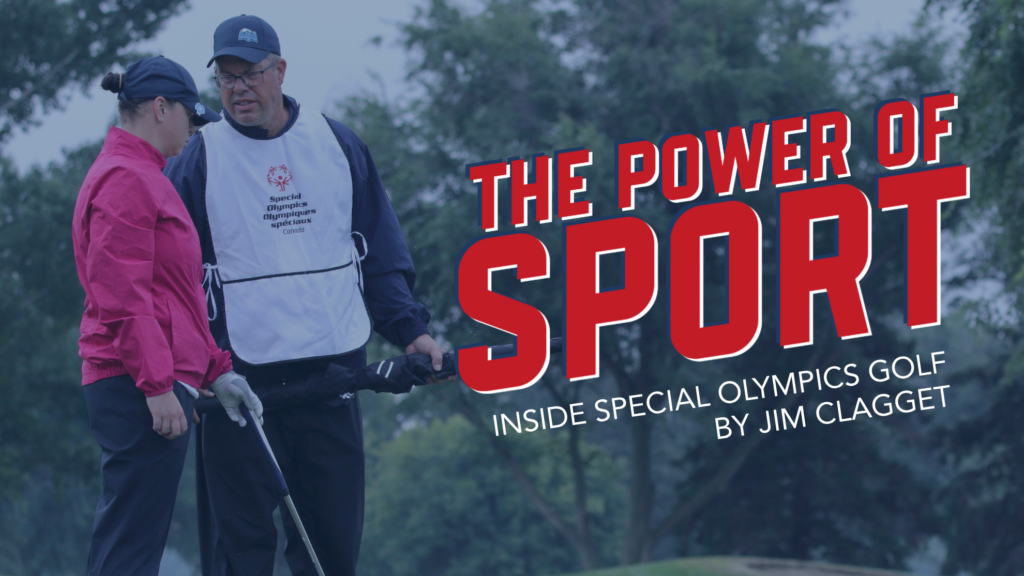

You may have heard the phrase “teamwork makes the dream work.”
You need look no further for an example of that then Medicine Hat this past August, when the city hosted hundreds of Special Olympic athletes for the Special Olympics Summer Games
Golf was part of the extensive lineup of sports on display thanks in part to the cooperation of Golf Canada and the PGA of Canada with local chapters country wide. The host city was deeply involved along with the Medicine Hat Golf and Country Club. The result – a gratifying and thrilling experience for so many athletes who have the same drive to compete, just like any other athlete.
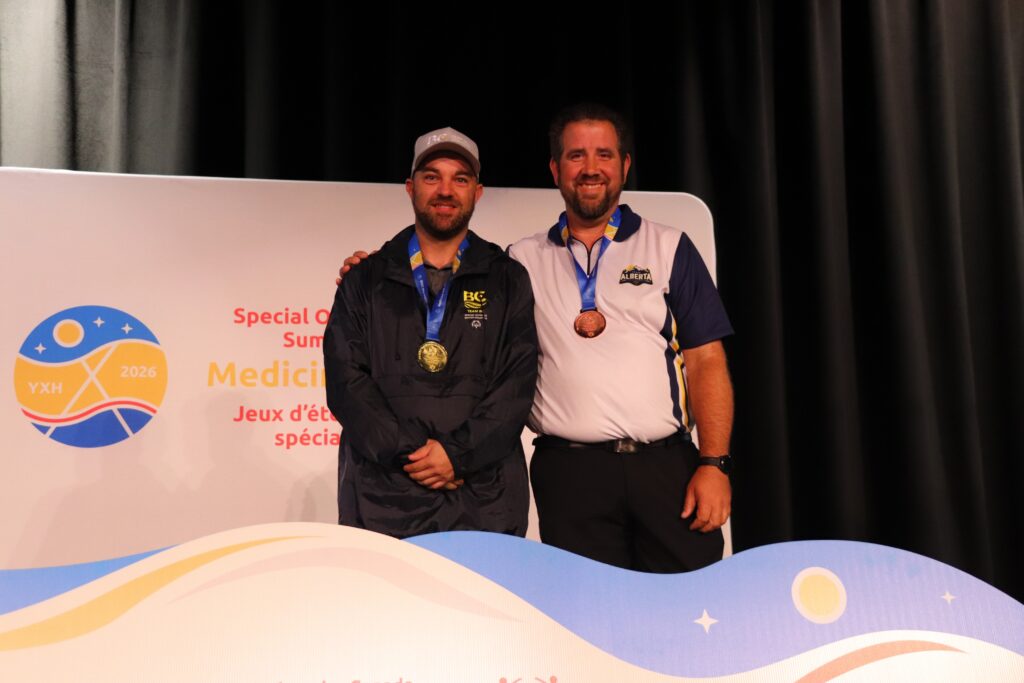
Special Olympics Canada Golf – Full Leaderboard
Golf became a part of the Special Olympics in 2008 within its general programming, making its debut in the 2014 games in Vancouver.
Glenn Cundari, two-time national head coach at the SOC Summer Games was in on the ground floor of this, getting involved with the technical aspect of coaching the athletes. Cundari says they have a sports specific training portion for Special Olympics.
“So, you become a golf coach in Special Olympics, and you talk about Special Olympics athletes and golf at the same time.”
In the last decade, more than three hundred coaches have been trained across the country which underlines how strong this program has become.
Cundari says the grassroots beginnings is responsible for the initial success, but he was quick to point out how big an impact the athletes have on people getting involved which has led to growth in the movement.
“I dare you to go coach Special Olympics for a couple of hours. You will keep doing it,” he said. “It’s just like a lobster trap-it’s super easy to get in but hard to get out.”
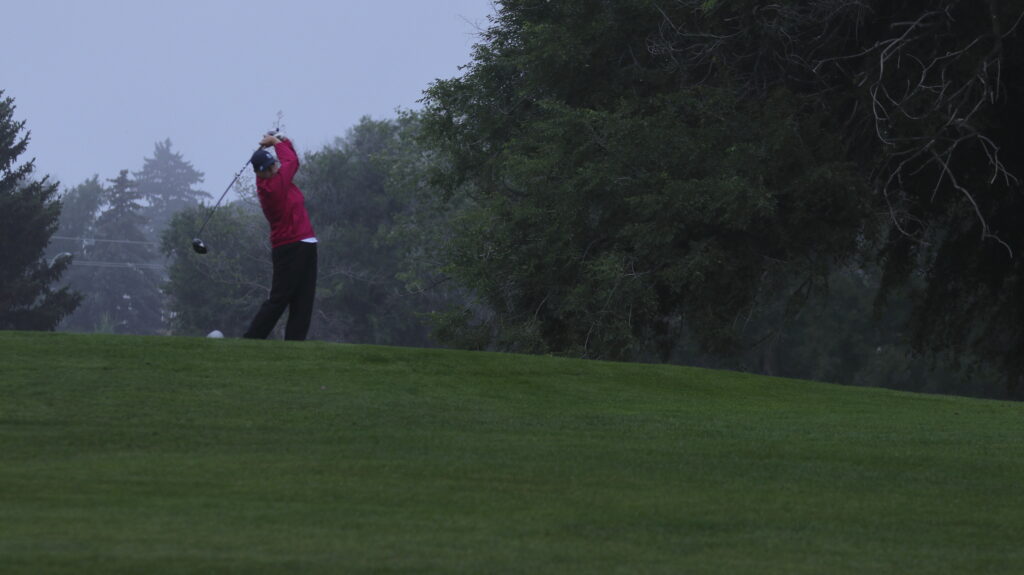
(Courtesy of SOC Canada)
He says the golfers in the program are very coachable, willing to put in the time and effort, along with being very appreciative of their results, no matter what they may be.
They are shining examples of resilience in his opinion. When it comes to working with an athlete who has down syndrome or autism, they live with people staring at them or making fun of them and resilience is part of their world everyday, he said.
“It’s innate for them to bring that to their sport and so we don’t have to teach or coach that so much.”
He says coaches do have to take a slightly different approach with Special Olympic athletes because they manage frustration, fear and disappointment differently. As a coach, you work with your athlete and treat each one as individuals with different needs, Special Olympics or generic golfers. Cundari says it makes no difference in his mind.
“If someone shows up with arthritis in their hands you don’t try to give them a perfect grip. You work around, not what they can’t do but you work around what they can do.”
There are a wide range of categories for the golfers based on their skill level, some play nine holes, some 18. There are those who can play with a caddy, other can go it alone. The program adapts to the individual. As for ability, Cundari says it’s no different from mainstream golfers. Players have high handicaps, low handicaps and everything in between. The top player in the world plays as a plus two handicap and one player this year aced a par three.
Saskatchewan Golfer hits Gold Medal Winning Hole in One – Courtesy of CBC
Cundari says coaches face unique challenges working with these men and women, especially if they have issues with grasping certain skills. Their brain doesn’t process information in the same way as most of us, so trying to teach a motor skill can be difficult and as a coach, you need to understand that completely.
“In some cases, they won’t ever get some things as their brain just really can’t do it.”
Cundari says at the end of the day, Special Olympic athletes are still athletes and enjoy the competition. Cundari adds that no matter what level you play a sport at, there are distractions but for these golfers, those distractions can be almost anything from loud noises to never having been on a plane before.
“We treat them like an athlete and as coaches we sometimes tell them to suck it up. You have to act like an athlete. We are here to help you so how can we help?” he said. “I can tell you though that out of the thousands of athletes here now, there’s not one of them that plays the disability card.”
That is a win.